
Learn how to recognize when your roof needs replacement and understand what the process involves from start to finish.
Is your roof showing its age with missing shingles, persistent leaks, or visible sagging? Roof replacement represents one of the most significant home improvement investments you’ll make, protecting everything beneath it for decades to come. Understanding the signs you need a new roof helps you plan and budget before emergency situations force rushed decisions. Knowing when to replace your roof versus when repairs will suffice saves money while ensuring adequate protection. Many homeowners worry about roof replacement cost, but understanding new roof cost factors helps you make informed financial decisions. The roof replacement process involves multiple stages from tear-off to final inspection, and understanding these roof replacement steps prepares you for what to expect. New roof installation by qualified professionals ensures proper materials, techniques, and warranties protect your investment. Whether you’re noticing warning signs or planning ahead, scheduling a consultation for roof replacement near you helps you understand your options and timeline for this essential home improvement project.
Why Roof Replacement Matters
Roof replacement protects your home’s structure, interior, and value. Understanding when replacement becomes necessary helps homeowners make smart decisions.
The Importance of a Sound Roof
Your roof serves multiple critical functions:
- Shields your home from rain, snow, and ice
- Provides insulation for energy efficiency
- Protects structural components from moisture
- Maintains property value and curb appeal
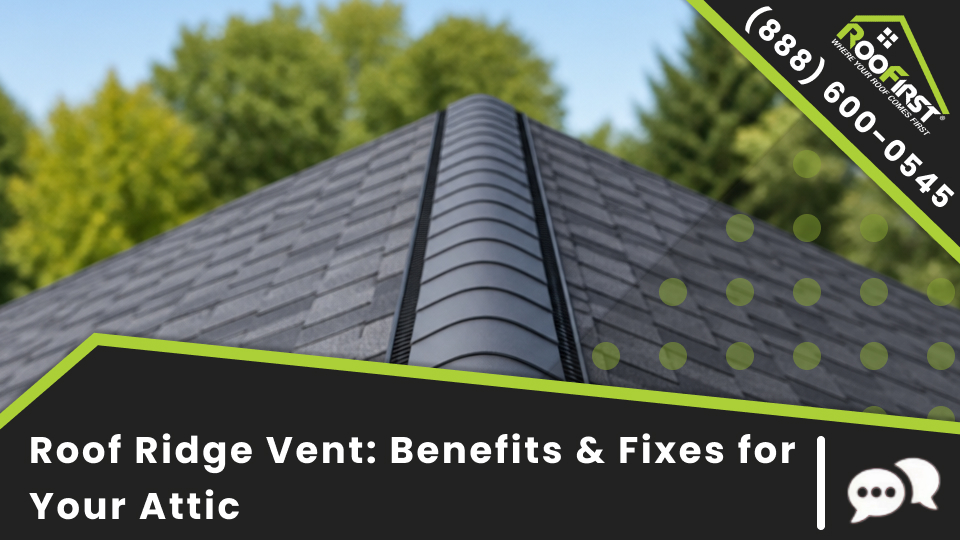
- Supports proper attic ventilation
When these functions become compromised, new roof installation restores complete protection.
Repair vs Replacement Decision
Not every roof problem requires full replacement:
- Minor damage often responds to repairs
- Localized issues may need partial attention
- Age and overall condition guide decisions
- Multiple problems may indicate replacement need
According to the National Roofing Contractors Association, professional assessment helps determine whether repair or roof replacement provides the best value.
Signs You Need a New Roof
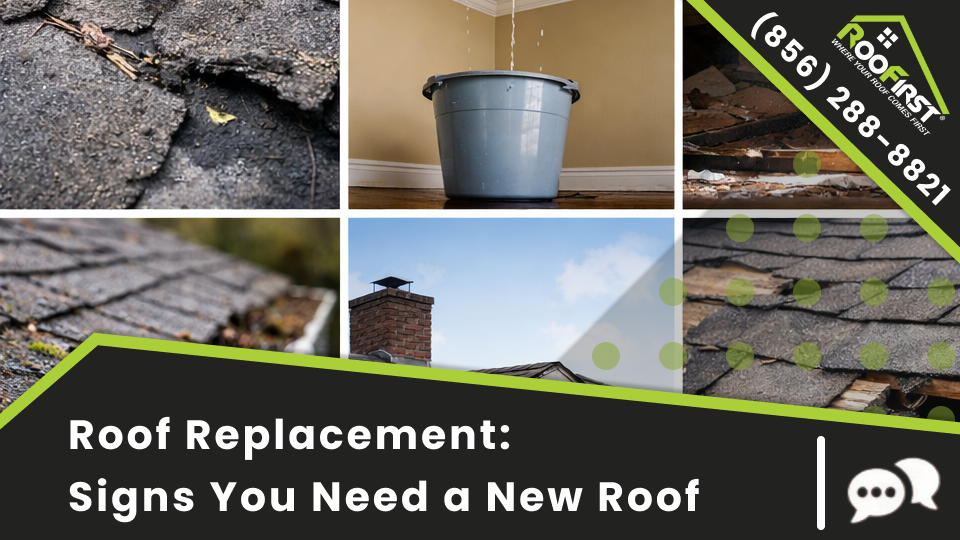
Recognizing signs you need a new roof helps you plan before emergencies occur. Watch for these indicators throughout your home.
Signs You Need a New Roof: Age of Roofing Materials
Roofing materials have expected lifespans:
If your roof approaches or exceeds these ages, when to replace your roof becomes an important consideration.
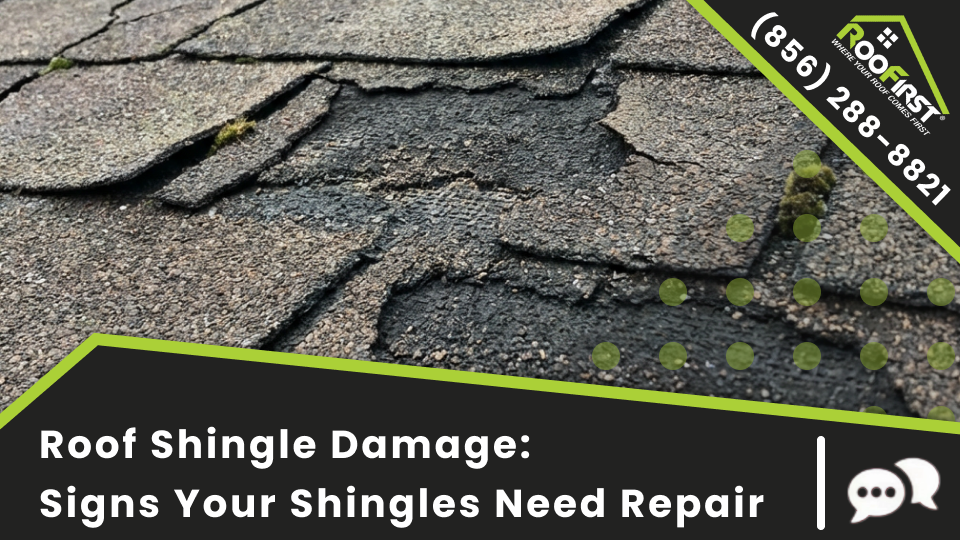
Signs You Need a New Roof: Shingle Deterioration
Visible shingle damage indicates replacement need:
- Curling edges lifting from roof surface
- Cracking across multiple shingles
- Missing shingles creating bare spots
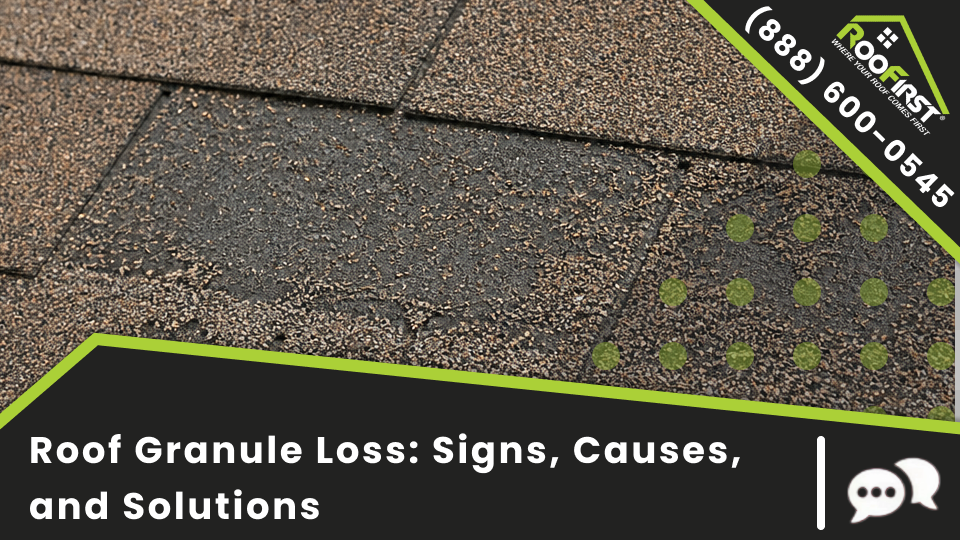
- Excessive granule loss in gutters
- Bald patches where granules have worn away
Widespread shingle problems represent clear signs you need a new roof.
When to Replace Your Roof: Structural Issues
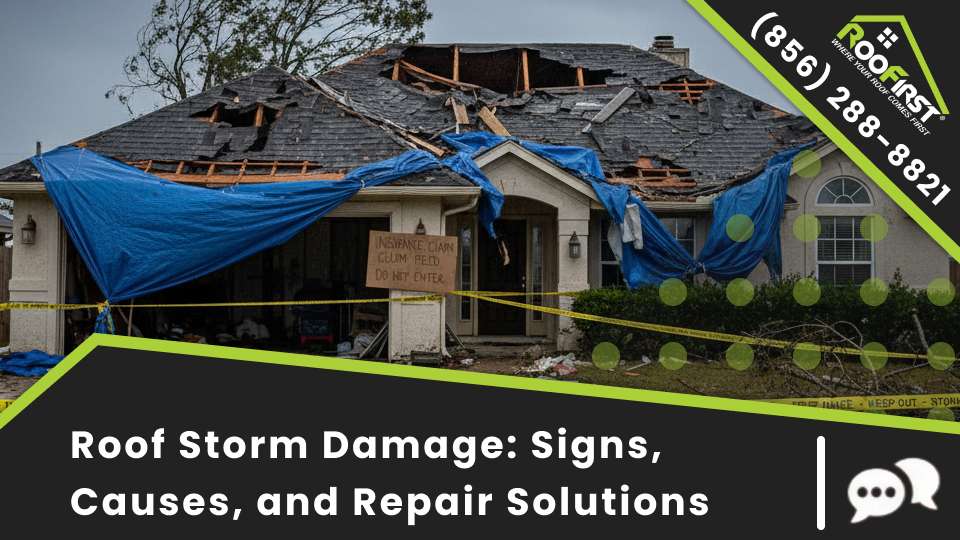
Serious problems demand immediate attention:
- Sagging areas on roof surface
- Visible daylight through roof boards
- Rotted decking beneath shingles
- Compromised rafters or trusses
These conditions indicate when to replace your roof has arrived.
Multiple Leak Locations
Numerous leaks suggest system failure:
- Water intrusion in multiple areas
- Recurring leaks despite repairs
- Spreading water damage inside home
- Moisture throughout attic space
Multiple leaks often signal that roof replacement provides better value than continued repairs.
Understanding Roof Replacement Cost
Cost varies significantly based on multiple factors. Understanding these helps you budget appropriately.
Roof Replacement Cost Factors
Several elements influence new roof cost:
Size and Complexity
- Total square footage of roof
- Number of slopes and angles
- Pitch or steepness of roof
- Architectural features and dormers
Material Selection
- Basic 3-tab shingles cost less
- Architectural shingles mid-range
- Premium materials cost more
- Metal and tile at higher price points
Labor Requirements
- Tear-off of existing materials
- Deck repairs if needed
- Local labor rates
- Accessibility challenges
Factors That Increase New Roof Cost
Additional expenses may apply:
- Multiple layers requiring removal
- Extensive deck replacement
- Roofing and skylight flashing
- Steep pitch requiring safety equipment
- Code upgrades for ventilation
Request detailed estimates to understand your specific roof replacement cost.
The Roof Replacement Process
Understanding the process prepares you for what happens during your project.
Roof Replacement Steps: Pre-Installation
Before work begins:
- Professional inspection and measurements
- Material selection and ordering
- Permit acquisition if required
- Scheduling and timeline confirmation
- Preparation instructions for homeowners
These initial steps ensure smooth project execution.
Roof Replacement Process: Tear-Off
Removing old roofing materials:
- Crew arrives and sets up safety equipment
- Old shingles removed down to decking
- Flashing and vents removed
- Debris contained and managed
- Decking inspected for damage
Complete tear-off provides the best foundation for new roof installation.
Roof Replacement Steps: Deck Preparation
Preparing the roof surface:
- Damaged decking replaced as needed
- Surface cleared of debris and nails
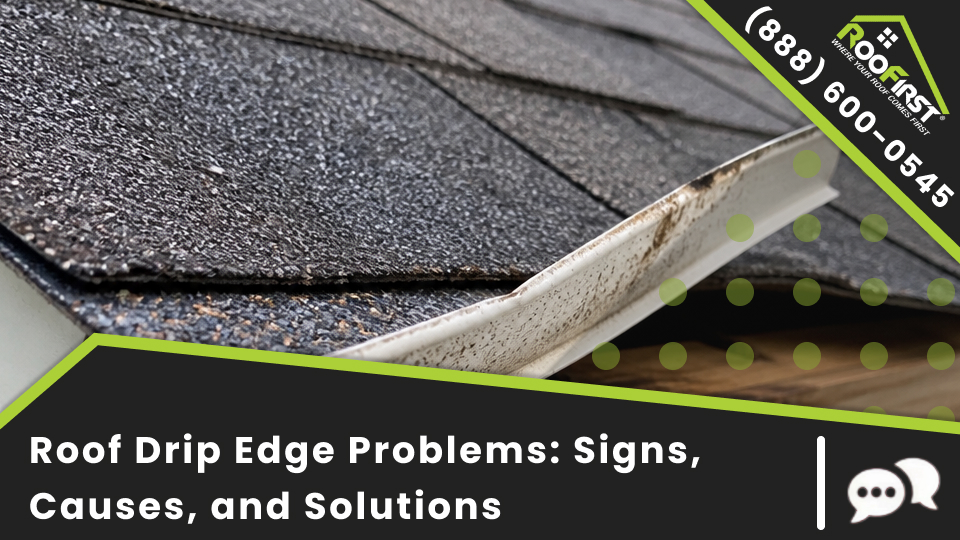
- Drip edge installed at perimeter
- Ice and water shield applied at vulnerable areas
- Underlayment rolled out across entire surface
Proper preparation ensures your roof lasts its full expected lifespan.
Roof Replacement Process: Installation
Installing new roofing materials:
- Starter shingles at eaves
- Field shingles installed in courses
- Ridge cap at peaks
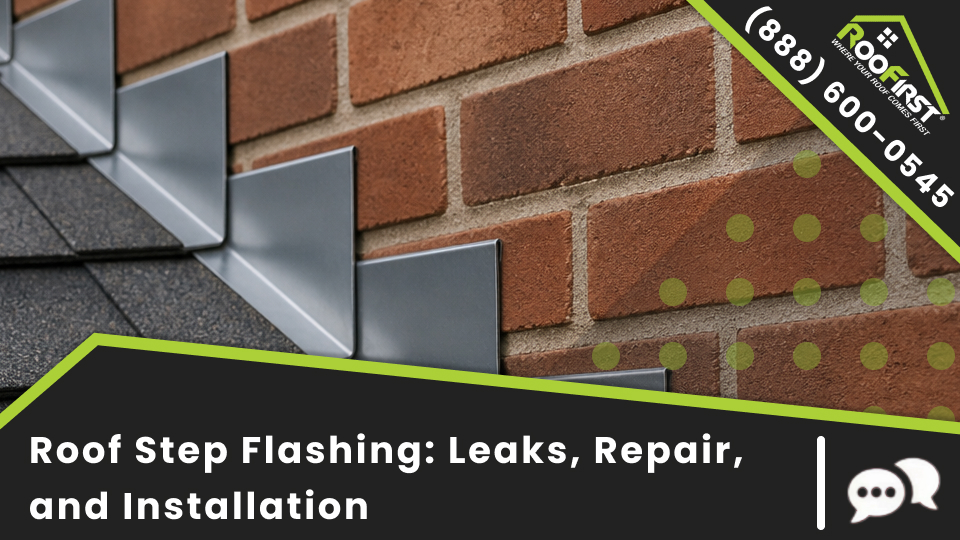
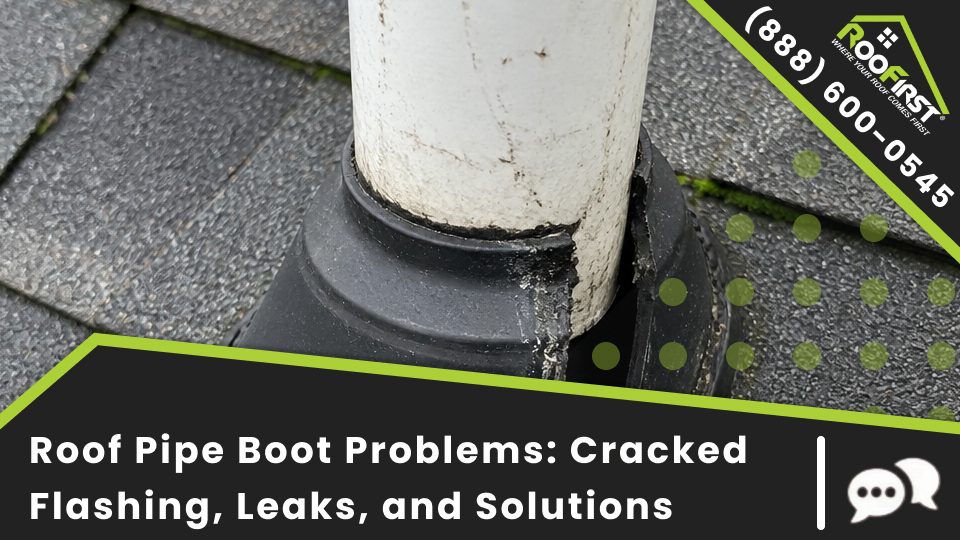
- Flashing at all penetrations
- Vents and accessories installed
Quality new roof installation follows manufacturer specifications precisely.
Final Roof Replacement Steps
Completing the project:
- Final inspection by crew leader
- Cleanup of all debris and materials
- Magnetic sweeping for nails
- Walkthrough with homeowner
- Warranty documentation provided
These final roof replacement steps ensure complete satisfaction.
Choosing Roofing Materials
Material selection significantly impacts your roof replacement outcome and cost.
Asphalt Shingles
Most popular residential roofing choice:
- Affordable and widely available
- Many colors and styles
- 20-30 year lifespan typical
- Easy installation and repair
- Good value for most homeowners
Metal Roofing
Growing in popularity for residential use:
- Exceptional longevity (40-70 years)
- Energy efficient and reflective
- Resistant to fire and wind
- Higher upfront cost
- Modern styles mimic traditional looks
Premium Options
For distinctive homes:
- Tile roofing for Mediterranean styles
- Slate for historic or luxury homes
- Cedar shake for natural appearance
- Synthetic materials combining benefits
Discuss options with your contractor during consultations.
Finding Roof Replacement Near You
Choosing the right contractor ensures successful new roof installation and lasting results.
What to Expect from Professional Service
When scheduling, expect:
- Thorough inspection and assessment
- Detailed written estimate
- Material options and recommendations
- Timeline and scheduling clarity
- Warranty information explained
- References and credentials provided
Finding Quality Roof Replacement Near You
Look for these qualifications:
- Licensed and insured roofing contractor
- Established local business reputation
- Manufacturer certifications
- Strong customer reviews
- Written warranties on labor
- Clear communication throughout project
Questions to Ask Contractors
Before hiring for new roof installation:
- How long have you been in business?
- Can you provide recent references?
- What warranties do you offer?
- Will you obtain necessary permits?
- Who will supervise the project?
- What happens if weather delays occur?
Preparing for Your Roof Replacement
Homeowner preparation helps the process proceed smoothly.
Before Work Begins
Take these steps:
- Move vehicles away from work area
- Protect landscaping near the house
- Remove wall decorations that might vibrate loose
- Secure items in the attic
- Inform neighbors about upcoming work
- Make arrangements for pets
During the Roof Replacement Process
Expect these conditions:
- Significant noise throughout the day
- Crew arriving early morning
- Vibrations felt inside home
- Debris management ongoing
- Multiple days for completion
After Roof Replacement Steps Complete
Following project completion:
- Walk through with project supervisor
- Review warranty documentation
- Schedule any follow-up items
- Provide feedback on experience
- Keep all paperwork for future reference
Benefits of New Roof Installation
New roof installation delivers multiple advantages beyond simply stopping leaks.
Immediate Benefits
Right away you’ll notice:
- Improved curb appeal
- Peace of mind during storms
- Better energy efficiency
- Increased home value
- Updated warranty protection
Long-Term Advantages
Over time, replacement provides:
- Decades of reliable protection
- Lower maintenance requirements
- Reduced energy costs
- Fewer repair expenses
- Protection for interior investments
Final Thoughts
Roof replacement represents a significant investment that protects your home for decades. Recognizing signs you need a new roof and understanding when to replace your roof helps you plan this important project rather than facing emergency decisions.
While roof replacement cost and new roof cost concerns are valid, quality materials and professional installation provide lasting value that repairs cannot match. Understanding the process and roof replacement steps prepares you for what to expect from start to finish.
New roof installation by qualified professionals ensures proper materials, techniques, and warranties protect your investment. When you notice warning signs or your roof approaches its expected lifespan, consult with experienced roof contractors to explore your options and protect your home.
Website: https://nj.roofirst.com/
Phone: (856) 288-8821